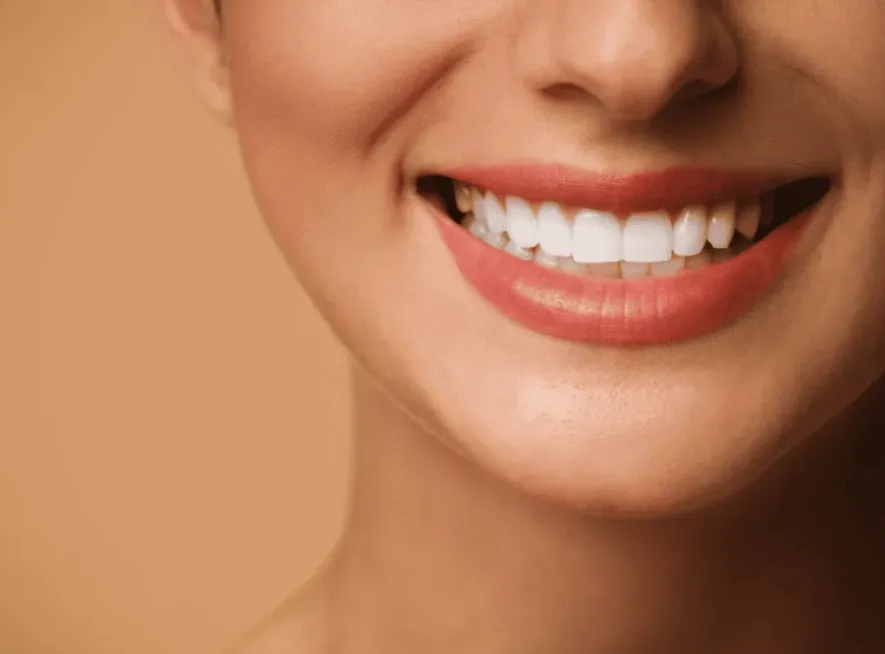
A well-balanced smile carries more than visual appeal; it reflects control, proportion, and subtle harmony. Cosmetic dentistry now operates with exacting standards where outcomes are shaped by precision rather than approximation. Materials, planning, and execution all matter. Nothing is left vague.
Within this space, patients often come across e-max full veneers, a treatment designed for clarity in appearance plus strength in function. It addresses visible concerns directly, without overworking the natural structure, while maintaining a clean, refined finish that integrates smoothly with surrounding teeth.
Understanding the Role of Advanced Veneer Materials
At the core of modern veneer systems sits lithium disilicate, a ceramic engineered for both resilience and optical realism. Its crystalline composition allows controlled light transmission, which prevents the flat, opaque look associated with older materials. The result feels closer to enamel. Not identical, but convincingly natural.
In clinical settings, this material performs under pressure. It resists fractures, holds its surface over time, plus maintains color stability without external coatings. Dentists select it not for trend value, but for consistency across cases that demand both aesthetics alongside structural reliability.
What Defines Emax Veneers in Practice
Precision defines everything here. From the first scan, each measurement is calculated, not estimated. Digital mapping captures tooth structure, gum line, along with facial proportions, creating a framework that guides fabrication. There is no guesswork involved in shaping or alignment.
Unlike older veneer techniques, enamel reduction remains controlled and minimal. That matters. Preserving natural tooth structure improves bonding strength, reduces sensitivity, plus supports long-term performance. The process feels deliberate at every step, with no unnecessary intervention.
Treatment Process: From Planning to Placement
At the initial stage, a full diagnostic review is conducted. Dentists assess bite dynamics, tooth condition, along with aesthetic goals before moving forward. Digital previews often follow, allowing patients to see a projected outcome before any physical changes begin.
Upon approval, it is prepared by slight reshaping. Impressions or scans are forwarded to be fabricated and every veneer is made to precise specifications. Bonding is carried out on placement day using accurate adhesives, which provide stability, placement and a smooth finish that is fully integrated with the natural dentition.
Personalized Smile Design
Every case begins with analysis. Facial symmetry, lip movement, along with tooth proportions are studied in relation to each other. This avoids overdesigning the smile, which often leads to unnatural results. Subtle contouring decisions make a visible difference.
Because of this, no two veneers are identical across patients. Slight adjustments in thickness, shade, along with edge shape create a balanced outcome that aligns with the individual rather than forcing a uniform template.
Digital Precision and Accuracy
With digital workflows, margins tighten. 3D scans eliminate distortions found in traditional impressions, while computer-guided design refines dimensions down to fractions of a millimeter. This reduces chairside adjustments during placement.
As a result, the fit improves. Bonding becomes more secure. Longevity increases. The entire process benefits from accuracy introduced at the earliest stage, not corrected later.
Functional Gains Beyond Visual Appeal
Aesthetic improvement draws attention first. However, function follows closely behind. Veneers correct uneven edges, close minor gaps, plus improve alignment where orthodontic intervention may not be necessary. Bite distribution can improve subtly, reducing uneven pressure points.
Over time, durability becomes evident. The material withstands daily stress, resists surface wear, along with maintains structural integrity without frequent intervention. Patients do not need constant refinishing or replacement cycles.
Who Should Consider This Treatment
It is all a matter of suitability. Patients having broken, discolored or stumpy teeth can also be qualified, provided that the underlying structures are in good health. Gum condition matters. So does enamel thickness.
Prior to taking any action, dentists also assess both oral hygiene and bite patterns. In the absence of that, the material is the best, but still it will not work. The procedure itself is less important than proper selection to achieve long-term success.
Aftercare and Long-Term Performance
Maintenance is straightforward. Daily brushing with non-abrasive products preserves surface texture, while flossing supports gum health around the veneers. Routine dental visits allow early detection of minor concerns before they escalate.
But habits matter more than products. Excessive force, grinding, or using teeth for non-food tasks introduces stress that no veneer system is designed to handle indefinitely. Controlled use extends lifespan significantly.
Daily Maintenance Practices
Results are characterized by consistency. Brushes of soft bristle minimize wear on the surface, whereas mild methods preserve bonding margins. One should not use abrasive pastes because they destroy the finish with time.
Cleaning schedule appointments ensure that there is hygiene and appearance. They also enable professionals to keep stability check, otherwise the veneers will not be well integrated.
Protecting Your Investment
Protection requires awareness. Night guards are often recommended for patients with grinding tendencies, as they absorb pressure that would otherwise transfer directly onto the veneers. This small addition prevents long-term damage.
Periodic evaluations help as well. Minor adjustments, when done early, prevent structural complications later. Prevention remains simpler than correction in every case.
Why Material Selection Impacts Results
Material choice defines outcome. Lower-grade ceramics lack the translucency required for natural aesthetics, often appearing flat under light. Strength also varies, leading to increased risk of fractures over time.
Lithium disilicate avoids these issues. It maintains clarity, resists mechanical stress, along with integrates visually with natural teeth under different lighting conditions. Why compromise on material when the entire result depends on it?
Final Thoughts on Choosing the Right Dental Provider
Selection matters more than marketing. A clinic must combine technical expertise, advanced equipment, along with a structured approach to planning and execution. Without that combination, even high-quality materials fail to deliver expected outcomes.
Queens Elite Medical approaches cosmetic dentistry with controlled precision, integrating digital workflows alongside material expertise to produce consistent results. Their process focuses on accurate planning, refined execution, plus patient-specific customization. For individuals seeking the best e-max veneers in Dubai, this level of detail, combined with clinical discipline, defines a reliable direction forward.