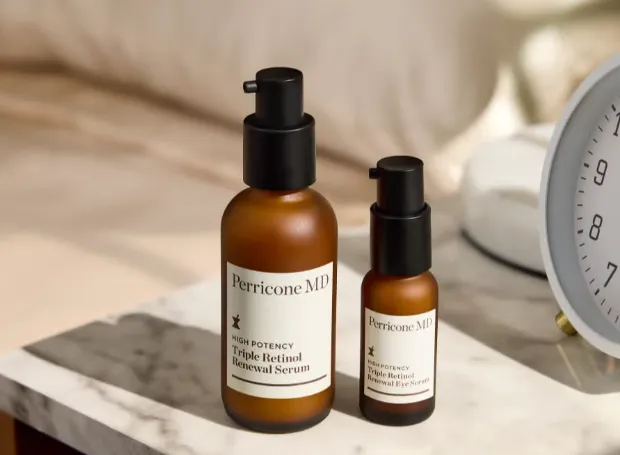
Retinol has become one of the most popular skincare ingredients, hailed for its ability to transform your skin. From improving texture to reducing the appearance of fine lines, it’s no surprise that many are eager to incorporate it into their skincare routine. However, despite its benefits, there are several misconceptions about this powerful ingredient. In this blog, we’ll debunk the most common retinol myths and provide you with the facts you need before adding a retinol face serum to your regimen.
Myth 1: Retinol Is Too Harsh for Sensitive Skin
One of the most common myths about retinol is that it’s too strong for sensitive skin. While it’s true that retinol can cause irritation in some individuals, it doesn’t mean that it’s unsuitable for everyone. In fact, there are gentle retinol formulations specifically designed for sensitive skin types.
If you’re new to retinol, it’s best to start with a low concentration and gradually increase usage. Additionally, pairing retinol with soothing skincare products such as a hydrating clay mask can help calm the skin and minimize irritation. The key is to listen to your skin and adjust the frequency based on its tolerance.
Myth 2: Retinol Is Only for Anti-Aging
Another widespread myth is that retinol face serum is only for people concerned with aging. While retinol is indeed renowned for its ability to reduce fine lines and wrinkles, its benefits extend far beyond that. Retinol is also effective for treating acne, improving skin texture, and minimizing the appearance of dark spots or hyperpigmentation.
By increasing cell turnover, retinol promotes the shedding of dead skin cells and encourages the growth of new, healthier skin. This makes it a great option for those dealing with acne or uneven skin tone, not just those looking to fight the signs of aging.
Myth 3: You Can’t Use Retinol with Other Skincare Products
Many believe that retinol should not be combined with other active ingredients, but this is simply not true. While some products, such as Vitamin C, may cause irritation when used with retinol, it’s perfectly safe to incorporate other beneficial ingredients into your routine.
For example, pairing your retinol face serum with a moisturizing clay mask can work wonders for your skin. Clay masks help to detoxify the skin by drawing out impurities and balancing oil production, while retinol tackles deeper skin issues like wrinkles and acne. Together, they can provide a comprehensive skincare solution, enhancing both hydration and treatment.
Myth 4: Retinol Makes Your Skin Sun-Sensitive
It’s widely known that retinol can increase your skin’s sensitivity to the sun, but that doesn’t mean you should avoid it altogether in the daytime. It simply means that you need to take precautions to protect your skin when using retinol. The key is to wear broad-spectrum sunscreen every day, especially when you’re using retinol at night.
Even if you use retinol exclusively in your nighttime routine, applying sunscreen during the day will help protect your skin from UV damage. This is crucial not just to prevent sunburns but also to maintain the long-term effectiveness of your skincare products.
Myth 5: Retinol Works Overnight
While retinol is an incredibly powerful ingredient, it’s important to manage expectations. Many people expect to see instant results after one application, but the truth is that retinol requires consistent use over several weeks or even months to show significant improvements in skin texture and appearance.
The best results will come with patience. You should use your retinol face serum regularly, starting slow and building up to nightly usage. Remember, skincare is a marathon, not a sprint.
Myth 6: Retinol Will Completely Eliminate Acne
Retinol is highly effective for reducing acne, but it’s not a miracle cure. While it helps prevent clogged pores and encourages the shedding of dead skin cells, you may need to combine it with other treatments, such as a clay mask or spot treatments, for optimal acne control.
Clay masks are especially beneficial when dealing with acne-prone skin. They can absorb excess oil and help reduce inflammation, complementing the acne-fighting benefits of retinol. So, while retinol is a powerful ally, achieving clear skin may require a comprehensive skincare routine that includes both exfoliation and hydration.
Myth 7: Retinol Causes Peeling and Flaking
It’s true that some people experience dryness, peeling, or flaking when they first start using retinol, especially if they use it too frequently or at too high a concentration. However, this doesn’t mean that retinol is inherently bad for your skin. In fact, these initial side effects often subside as your skin builds tolerance over time.
To help with any dryness or peeling, consider using a hydrating clay mask or a nourishing moisturizer alongside your retinol serum. The right balance of exfoliation and hydration is crucial to maintaining a healthy, glowing complexion while using retinol.
Conclusion
Retinol is one of the most effective ingredients in skincare, offering a wide range of benefits from anti-aging to acne treatment. However, it’s important to separate fact from fiction to ensure you’re using it correctly. By understanding the truth behind these common retinol myths, you can incorporate it into your routine with confidence.
Start slow, combine it with soothing products like a clay mask, and be consistent with your usage. Over time, you’ll see remarkable improvements in your skin’s texture, tone, and overall health. So, don’t be afraid to embrace retinol—it’s worth the investment!