Childhood diarrhoea remains one of the most common health challenges affecting young children, particularly in developing regions. Despite being preventable and treatable, it continues to contribute significantly to illness and child mortality. The good news is that a clear and effective framework exists to reduce its impact. The https://www.7pointplan.org/ for childhood diarrhoea prevention and treatment focuses on simple, affordable, and proven measures that protect children, support recovery, and save lives. Understanding this approach helps parents, caregivers, and communities take meaningful action to improve child health.
The Importance of a Comprehensive Approach
Diarrhoea is not caused by a single factor, nor can it be solved with one solution. It is closely linked to hygiene, nutrition, access to clean water, and timely medical care. The strength of the 7-point plan lies in its comprehensive nature. Rather than addressing diarrhoea only when a child becomes sick, it emphasizes both prevention and treatment. This balanced approach reduces the frequency of illness while ensuring children recover quickly and safely when diarrhoea occurs.
By combining daily preventive practices with effective treatment methods, the plan creates a strong defense against dehydration, malnutrition, and serious complications.
Protecting Children Through Proper Nutrition
Good nutrition is one of the strongest protective factors against diarrhoea. Well-nourished children have stronger immune systems and are better able to fight infections. Exclusive breastfeeding during the early months of life plays a crucial role, as breast milk provides essential nutrients and antibodies that protect against harmful bacteria and viruses.
As children grow, continued breastfeeding alongside nutritious complementary foods supports healthy development. A balanced diet helps children recover faster from illness and reduces the risk of repeated diarrhoeal episodes, which can weaken the body over time.
Safe Water and Hygiene Practices
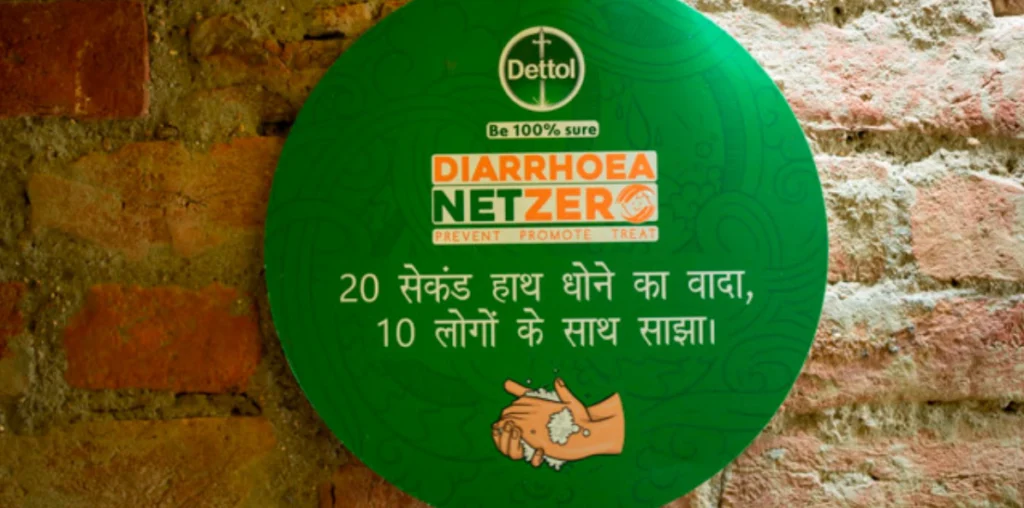
Access to clean water and proper hygiene is fundamental in preventing diarrhoea. Many cases are caused by contaminated water and poor sanitation. Simple habits such as washing hands with soap before meals and after using the toilet can dramatically reduce the spread of infection.
Safe drinking water, proper disposal of waste, and clean food preparation surfaces all contribute to a healthier environment for children. These everyday practices form a powerful barrier against the germs that cause diarrhoea.
Zinc Supplementation and Its Benefits
Zinc plays an essential role in child health, especially during and after diarrhoeal episodes. Supplementation has been shown to reduce the severity and duration of diarrhoea, as well as lower the likelihood of future episodes. Zinc supports the immune system and helps the gut heal more effectively.
Including zinc as part of treatment ensures that children recover more completely and regain strength faster. It is a simple yet highly effective component of the 7-point plan.
Oral Rehydration Therapy Saves Lives
One of the most dangerous effects of diarrhoea is dehydration. Oral rehydration therapy is a life-saving solution that replaces lost fluids and essential salts. It is easy to use, affordable, and highly effective when given early.
Oral rehydration therapy does not stop diarrhoea immediately, but it prevents dehydration, which is the leading cause of diarrhoea-related deaths. Ensuring that caregivers understand its importance and proper use is vital for child survival.
Continued Feeding During Illness
A common misconception is that children should eat less or stop eating during diarrhoea. In reality, continued feeding is essential. Children need energy and nutrients to fight infection and recover. Maintaining regular meals and breastfeeding during illness helps prevent weight loss and supports faster healing.
After recovery, offering nutritious foods helps restore lost strength and reduces the risk of malnutrition. Continued feeding is a key element of effective diarrhoea management.
Immunization as a Preventive Measure
Vaccination plays an important role in preventing certain types of diarrhoea, particularly those caused by viruses. Immunization protects children before they are exposed to illness, reducing both the number and severity of diarrhoeal cases.
When combined with other preventive measures, immunization strengthens community health and lowers the overall burden of disease. It is a long-term investment in child well-being.
Educating Caregivers and Communities
Knowledge is one of the most powerful tools in preventing and treating childhood diarrhoea. Educating parents and caregivers about early signs of dehydration, proper hygiene, and correct treatment methods ensures timely action. Communities that are informed are better equipped to protect their children.
Awareness also helps reduce fear and misinformation, encouraging caregivers to seek appropriate care and continue effective practices at home.
Long-Term Impact on Child Health
The 7-point plan does more than address diarrhoea alone. By improving nutrition, hygiene, and healthcare practices, it contributes to overall child development. Children who experience fewer and less severe diarrhoeal episodes are more likely to grow well, perform better in school, and maintain long-term health.
This integrated approach supports not only survival but also quality of life, giving children a stronger foundation for the future.
Conclusion
Understanding the 7-point plan for childhood diarrhoea prevention and treatment highlights the power of simple, coordinated actions. By focusing on nutrition, hygiene, timely treatment, and education, this approach addresses the root causes of diarrhoea while ensuring effective care during illness. When families and communities adopt these practices, they significantly reduce the risks associated with childhood diarrhoea and create a healthier environment where children can thrive.