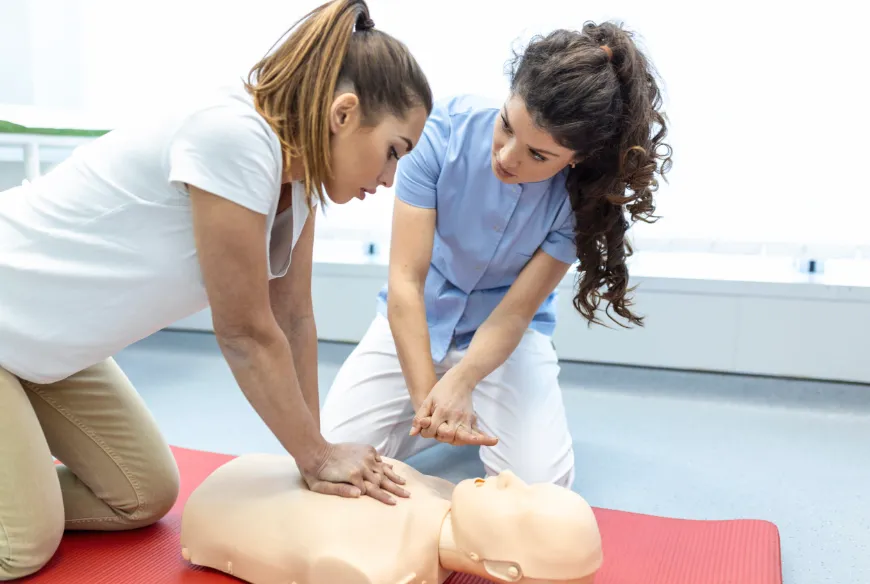
Medical emergencies can happen without warning, whether in a busy workplace or within the comfort of home. Cardiac arrest, choking incidents, severe injuries, and breathing difficulties require immediate attention before professional help arrives. A CPR certification gives people the abilities they need to react swiftly and efficiently in these emergency situations. Completing CPR and first aid courses Maitland prepares people to provide lifesaving assistance and create safer environments wherever they spend their time.
Strengthening Emergency Response In The Workplace
Work environments vary widely, but emergencies can occur in any setting. Offices may experience sudden health events, while industrial sites face risks such as falls, burns, or equipment-related injuries. Workers with first aid and CPR training can react quickly, stabilising an injured person until help arrives.
Because skilled responders lessen the severity of injuries and increase overall safety readiness, organisations gain when employees undergo first aid courses Maitland. Quick action during emergencies supports workplace wellbeing and demonstrates a commitment to employee care.
Protecting Family Members At Home
Home is often considered a safe space, yet many emergencies occur during everyday activities. Children may choke while eating, elderly family members may fall, and sudden medical conditions can arise unexpectedly. CPR certification prepares individuals to respond calmly and provide immediate assistance.
Knowing how to assess breathing, assist someone who is choking, or perform chest compressions can make a critical difference. Families gain peace of mind when someone in the household is prepared to act during emergencies.
Responding Effectively To Cardiac Emergencies
Cardiac arrest can happen without prior warning and requires immediate intervention. Until emergency personnel arrive, CPR helps sustain circulation and oxygen delivery to critical organs. Without this support, irreversible damage can occur within minutes.
Through first aid training Maitland participants learn proper compression techniques, rhythm, and emergency response steps. This hands-on preparation ensures responders can act confidently when every second counts.
Enhancing Confidence In High Stress Situations
Emergencies often create panic, confusion, and uncertainty. CPR certification provides clear procedures that guide individuals through each step of emergency response. When people know what to do, they are less likely to hesitate and more likely to provide effective assistance.
Training also improves communication skills, enabling responders to coordinate with bystanders and relay accurate information to emergency services. This organised response helps maintain calm and improves outcomes.
Supporting Safety Beyond Immediate Environments
CPR-certified individuals are valuable not only at home and work but also in public settings. Emergencies can occur in shopping centres, sports facilities, schools, or community events. A trained responder can step forward and assist until professional help arrives.
Having more trained individuals in the community strengthens public safety and ensures that assistance is available when needed.
Encouraging Preventive Safety Awareness
CPR certification frequently increases a person’s awareness of potential risks and prompts them to take preventative action. They may ensure first aid kits are accessible, identify safety risks, and create emergency plans for their families or workplaces.
This proactive approach reduces risks and promotes a culture of preparedness that benefits everyone.
A Lifelong Skill With Everyday Benefits
CPR certification is a practical skill that provides lasting value. It empowers individuals to respond confidently during emergencies, protect loved ones, and contribute to safer workplaces and communities.
The ability to provide immediate care during critical situations can prevent complications and support recovery. By learning CPR and first aid, individuals become active participants in creating safer environments at home, at work, and in the broader community.
Conclusion
CPR certification is more than a professional credential; it is a practical life skill that enhances safety in both workplace and home environments. By learning how to respond to cardiac emergencies, injuries, and breathing difficulties, individuals become prepared to act when immediate care is needed. This preparedness builds confidence, supports well-being, and helps protect loved ones, coworkers, and community members. When more people are trained and ready to respond, everyday spaces become safer and better equipped to handle unexpected emergencies.